
You will find the 2026 Outback Australia seasonal events in Western Queensland, South Australia, the Top End and the Red Centre; given the spread, when you go is as important as what you are going to. The dry season tends to be kinder on the roads and cooler in the evening. Make no mistake, the wet season has its heat and storms and closures, not to mention a way of showing you that map distances can be a little cheeky.
Elara Miller has put together this guide to tell you how to go about transport, where to put down roots and which bush or Outback festivals suit the season, and what is likely to trip up the traveller. Do make sure you have spoken to the organiser over any 2026 dates before you book a long drive or put down for flights and rooms.
Outback Events At A Glance
For the most part, the 2026 calendar in the Outback is at its strongest from autumn through spring, more so for visitors to the Top End and Central Australia. An experienced traveller may still want to head out in summer but one should have an itinerary with some give to it and take the heat and emergency planning seriously. For more detail, see this best Uluru timing guide.
Do not look for a single neat festival season, there are patterns to the calendar. Western Queensland calls for some forethought with fuel and accommodation, Darwin is all the livelier in the dry and the Red Centre puts on its cool-season arts and community fare.
| Season | Best Areas | Event Focus | Planning Reality |
|---|---|---|---|
| Summer | Top End and some inland towns | Bush events, local markets and community | Wet-season storms, very hot, some closures |
| Autumn | The Red Centre, Central Australia | Parrtjima and desert culture | Book early for the good bases, evenings are fine |
| Winter | Alice Springs, Uluru, Birdsville | Regattas, beanie art, music and the big bush events | Cold at night, long drives, high demand |
| Spring | South Australia, Darwin, Alice Springs | Aboriginal art, Desert Mob, the Darwin Festival | Busy times and the heat will change |
The statistics on the Australian climate make plain why one should plan by the season; rainfall is heaviest in certain months and the day-to-night swing in temperature is considerable in the interior. Consider it a signal for your plans rather than a guarantee. The forecast for Alice Springs does not inform you of the state of the road near Birdsville.
Summer In The Outback
It is a season first-timers are wont to underestimate. From November to April the Northern Territory’s wet season means you can expect cyclone alerts, humidity, flooded roads and hard storms. In Central Australia an exposed walk in the day can become unsafe or simply unenjoyable with the extreme heat if water and shade are in short supply.
There is plenty to occupy oneself with in the Outback in summer. Stick to a flexible plan centred on town, the local market or an air-conditioned venue of some cultural note and get up early for activities. As for the tinnie, leave it where it is unless you know the lay of the land and are croc-wise; do not confuse a postcard with a safety briefing.
Be Flexible in Summer
This is the time for the kind of traveller who can alter course without being tied to prepaid bookings. Storms have a way of changing event schedules and access in Darwin and other Top End haunts, even when there is food and art to be had.
Take care on the road. See if your tyres and recovery gear are up to the task, check river crossings and that unsealed roads are open. You would not want to put the Gibb River Road or any remote desert track on a par with a suburban road that happens to have fewer roundabouts.
The Cool of Autumn

In Central Australia, autumn is a sound option for a shoulder season. It is a more agreeable time to put in some walks and see a gallery or an evening show since the mornings and evenings are nothing like the height of summer.
Then there is Parrtjima – A Festival in Light in the Red Centre to draw you in during autumn. It is an occasion that marries large light installations with the stories, music and art of the local Aboriginal people. Before you finalise your itinerary for 2026, check the programme and the rest of the details with the venue.
Making Parrtjima the Centrepiece
Alice Springs makes sense as a base for Parrtjima and the like in Central Australia. But a trip to Uluru is just that, a journey and not something to be done in passing. Put in the time for the drive and the odd photo and to stave off fatigue. The Stuart Highway is sealed but it is a long straight road and requires your full attention when the road trains are on it. There is no need to try and cram in both Uluru and Alice Springs over a hasty weekend. One would be well advised to put in several nights in Alice Springs for the festival before making the trip to Uluru-Kata Tjuta National Park where there is time to be had for a sunrise, some walking and the odd cultural experience.
Winter Festivals And Bush Events
For the 2026 calendar of Australian desert festivals, winter is the season. The lower humidity, cool mornings and crisp nights are more conducive to being outdoors but one should expect demand to be high. It is not uncommon for accommodation to be at a premium or for the better sites to be taken up long before an event is even put on the books.
You will find the likes of the Alice Springs Beanie Festival, the Henley-on-Todd Regatta and the Birdsville Big Red Bash among the more well known winter affairs. They have their own character: one is for handmade art, another makes a sporting show of a dry riverbed, while the third offers music and camping on the fringes of the Simpson Desert.
Match Events To Experience
The Beanie Festival is for the traveller with an affinity for Aboriginal textiles, community stories and a more unhurried pace. If local humour and the odd bush tradition are more to your taste, then the Regatta is the way to go. The Big Red Bash caters to those who do not mind a big crowd and can handle the long drives, remote camping and what little services there are.
Logistics call for particular attention in Birdsville. Fuel, food and water are not as readily available as in a capital city and you may be without a convenient way back if the road is closed by the weather. Drivers should make sure they have more water on hand than seems necessary and get the latest on road conditions prior to any unsealed highway.
Prepare For Cold Nights
Do not expect the outback winter to provide for a warm evening. Once the sun goes down it can turn cold in Alice Springs and the surrounding desert, regardless of how mild the afternoon was. A good sleeping system for the camp, lip balm, a torch and boots that will stand up to dust and gravel are all in order. I made the error of thinking the daytime heat told the whole story when I was once mapping out an inland route; the cold came on after sunset faster than I anticipated and put a damper on my plans for dinner and a billy outside.
Spring Events Across The Regions
Before the north gets too hot, spring will see the outdoor season continue. The Darwin Festival is something of a must in the Northern Territory in the dry season for its mix of visual culture, performance and food. In Central Australia there is Desert Mob, an event of note for its emphasis on the art of the desert communities.
It is a good compromise for those wanting to partake in the culture but not endure the coldest of nights. Yet one has to be sensible about when to put in a long walk and have sun protection and water to hand; a morning can be hot by midday in short order.
Follow The Dry Season
Evening events and walking are generally easier in Darwin during the dry season with the humidity abated. But popular dates will put a strain on your pocket or leave you without a room. Do not count on being able to roll into town and settle matters with a coffee.
Desert Mob is for the type of traveller who has an interest in the connection between the country, community and the artist. Observe the rules for photography and be respectful; the fact something is on display does not make it public property.
Uluru And Alice Springs Options
While the 2026 events in Alice Springs and at Uluru can be combined, they are not the same thing. Alice Springs is an inland service centre with transport and galleries of its own; Uluru is in the national park. Make of Uluru what it is, a place to put in the time and not just a box to be ticked in between flights. Check the visitor information from Parks Australia for the lay of the land in terms of access and cultural guidance.
Prioritise One-Day Visits
One day is enough to do the major things in the park if you are not going to overdo it. Leave yourself time for a leisurely start and to top up on water, and be prepared for the weather to dictate your course. An independent visitor will want to check on vehicle and entry requirements. Those at the Ayers Rock Resort might opt for a guided tour. As for putting up near Uluru, options are limited so do your comparisons and look at the cancellation policy early on.
Plan Around Confirmed Dates
An Outback itinerary is held together by its event dates, yet they should not be the whole of it. Put the event in place and put some buffer days either side of it; from there you can work out your return travel, fuel, rest and accommodation to suit the real distances, not what a spreadsheet would have you believe.
One sees tour operators deal with travellers who have squandered time over a festival booking and the travel day that follows. When a driver is tired after a late night and has a long road-train route ahead, it does not make for good company. Should the evening’s event run late, do not set off on a remote drive right away, put up somewhere close by if you can.
A Practical Checklist
- Have the 2026 dates, venues and any ticket or cancellation rules in order.
- See to your flights, shuttles, parking and where the next fuel stop is.
- For Alice Springs, Uluru, Darwin and Birdsville, get your accommodation sorted early.
- Do not overlook park passes, permits or Aboriginal land access.
- Make sure you have maps and emergency numbers on hand before you are out of mobile range.
- And pack the essentials: water, something to put on against the sun, insect repellent, layers and the right sort of footwear.
If you are self-driving, figure your fuel needs on the basis of the entire route, not the distance separating two event towns. Factor in gravel roads, wildlife, fatigue and the odd roadwork. A rental agreement will tell you if unsealed roads are allowed and whether roadside assistance extends to the more isolated parts.
Weather Access And Costs
It is not just a matter of comfort, weather can put an end to an outdoor programme, ground a flight or shut a road. The Bureau of Meteorology will have the warnings; check them prior to departure and on the morning of a remote transfer come the wet season or cyclone time.
You will not find a dependable price for an Outback trip given the ebb and flow of demand for everything from vehicle hire to festival tickets and food. Remote events call for a bigger contingency than one would budget for a city affair. Where supply is thin, transport and lodging cost more and one should have a back-up form of payment since card facilities and connectivity cannot always be counted on.
What Travellers Are Prone To
The dry season means perfect access? Not necessarily. Local storms will have their effect and an open road can still be hard going.
Uluru and Alice Springs are within easy reach for a day out? The distance is more than that and to tack on a return drive after a full day at the festival is asking for trouble.
Leave it to arrival to find a room in the bush? Event weekends will have seen the campsites, rooms and shuttles taken. Book the important things and leave the rest of the route open.
Seasonal Considerations
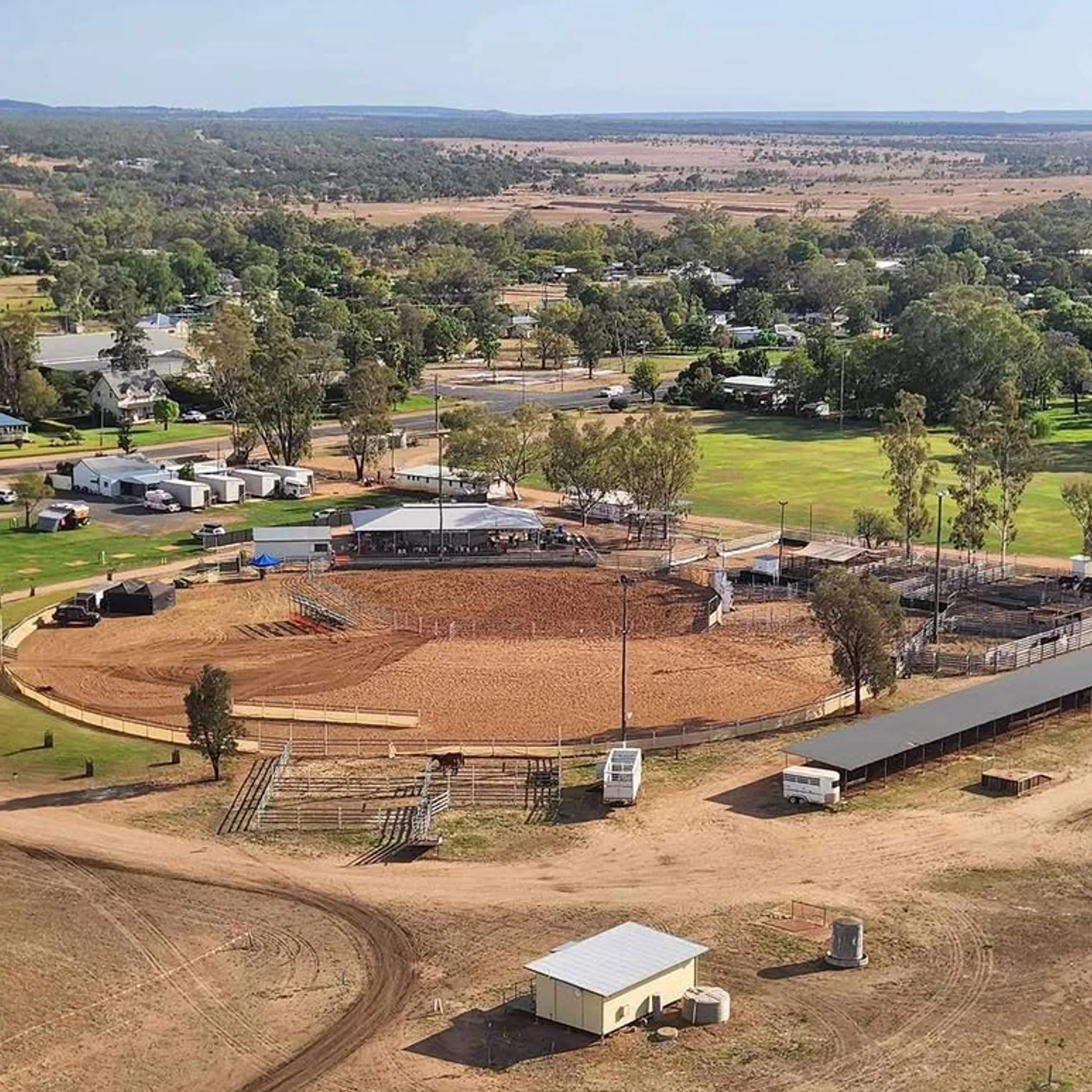
Autumn and spring lend themselves to a well balanced trip in Central Australia, winter for the preponderance of outdoor and bush festivals, and the dry season in Darwin. Summer is for those with the vehicle, the patience and experience to put up with disruption and know how to travel in the wet.
The Outback is no place for fuss but it will reward proper preparation. Heed local warnings, carry water and give yourself more time than your phone indicates. Any guide to timing a visit to Uluru will tell you the season is only half of it; sound judgement is what makes for safety.
Frequently Asked Questions
2026 Events
Parrtjima – A Festival in Light, the Henley-on-Todd Regatta, the Beanie Festival in Alice Springs, Desert Mob, the Darwin Festival and the Big Red Bash in Birdsville are among the key fixtures for Outback Australia in 2026. Schedules are subject to change so verify the programme and access with the organiser.
When to go
The cooler shoulder seasons and the dry are easiest for the majority. Winter draws crowds to Central Australia while autumn and spring present a good mix of cultural programming and temperatures one can live with.
Festivals in the vicinity of Uluru
Parrtjima is often part of an Uluru visit as it is in the wider Red Centre, though centred on Alice Springs proper and not within the National Park. Check on venue and transport before you commit.
Wet-season roads
Heavy rain can make some unsafe or closed. An old social-media post is no way to judge a remote crossing; look to official reports and park notices for the day’s conditions.
Booking
Do it when 2026 dates and accommodation are put on offer, all the more so for places like Uluru, Darwin and Birdsville. Have your transport and place to stay down and build the flexible elements of the itinerary from there.
Make It A Slow Affair
Plan around the seasons: the Top End dry for Darwin, the cooler months in Central Australia and save summer for a specialist. With the event dates confirmed and a respect for what is local, a 2026 trip need not be an exercise in logistics to enjoy the music, the markets and the bush.